The Quiet Subscription: Why Londoners Are Paying for a Seat and a Shelf
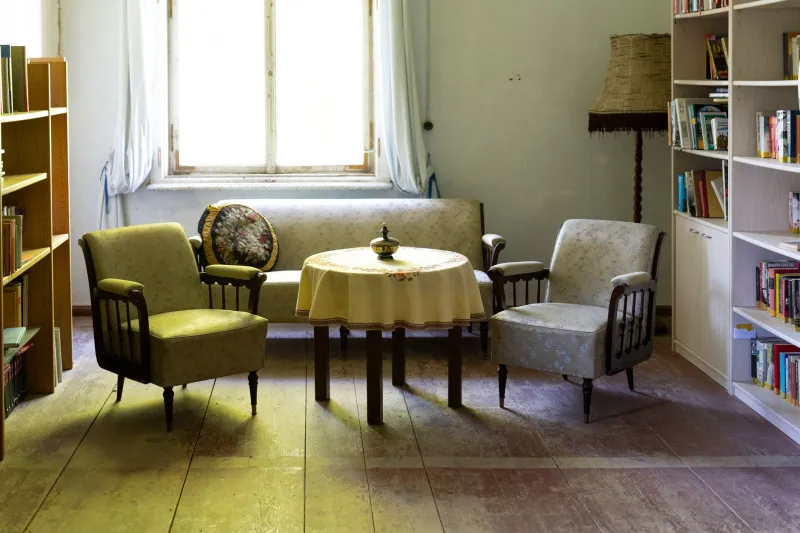
On a wet November evening in Hackney, a former railway arch has been turned into something between a clubhouse and a library. There are lamps, mismatched armchairs, a kettle that never quite stops, and a shelf labelled Staff Picks, No Arguments. Nobody is whispering dramatically. Nobody is shushing anyone. But the room has a settled, deliberate quiet that feels less like a rule and more like a service you have paid for.
That is the curious thing about London's reading rooms in 2026. At a time when so much reading happens on phones, on trains and in the gaps between meetings, a growing number of people are choosing to pay a membership fee for a chair, a shelf and the promise of undisturbed time. The revival is not a single movement. It is a scatter of old subscription libraries, new pop-up reading clubs, bookshop back rooms and co-working-style spaces that have worked out that silence, curation and a bit of belonging are things Londoners will happily put on a monthly direct debit.
Why pay for silence?
The obvious answer is that silence is hard to find. London is not short of places to sit, but it is short of places where sitting and reading is the main event rather than a tolerated side effect. Cafés have playlists. Trains have announcements. Homes have flatmates, laundry and a fridge that hums in a judgemental way. A reading room offers something narrower and more valuable: an environment where the social contract is clear. You are here to read. So is everyone else.
Membership libraries take that contract further. They offer edited shelves rather than infinite ones, which sounds like a limitation until you remember how paralysing a whole floor of books can be. A good curated collection feels like a friend with decent taste pointing at a few things and saying, try this one. That is part of what members are buying: less choice, better chosen.
The historic end of the market has known this for years. The London Library in St James's, founded in the nineteenth century, has long been the obvious example of a subscription library that functions as a working home for writers and researchers. Its continued appeal is not simply its collection but its atmosphere: the sense that reading is serious, sociable and worth leaving the house for. Alongside it, smaller subscription collections and private reading rooms have quietly persisted, often with waiting lists and a membership that skews towards people who want a desk, a reference shelf and a reason to put their phone away.
From St James's to the railway arch
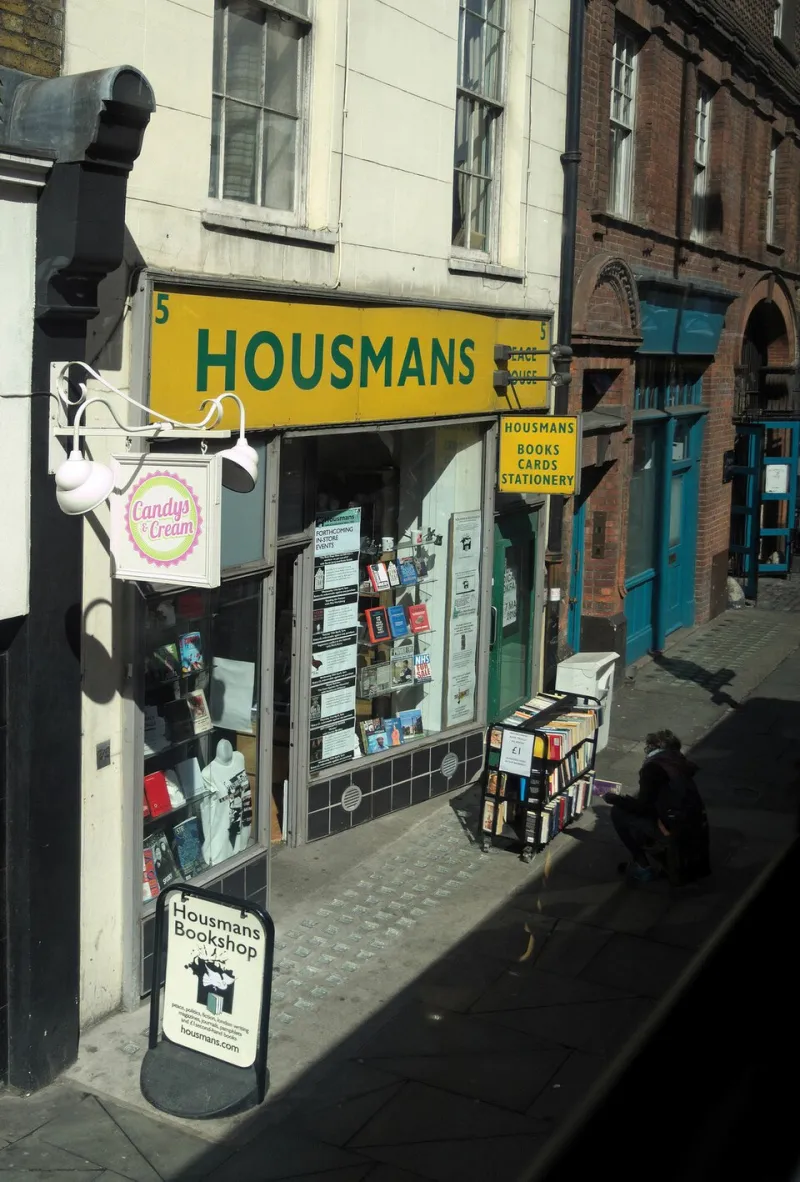
The newer entrants are less formal. Pop-up reading clubs have appeared in bookshops, community halls and shared workspaces, often with a monthly fee that covers a reading room, a few events and a curated book table. Some are run by booksellers. Some are run by readers who simply wanted a quieter version of a book club. The common thread is not luxury. It is structure. A place to go, a time to go there, and a shelf that has been thought about by someone other than an algorithm.
This is where the membership model starts to look less like a throwback and more like a response to how reading feels now. BookTok can sell a novel in a weekend, but it can also make reading feel like homework. A reading room slows the pace. It says: you do not need to finish this today, and you certainly do not need to post about it.
The catch, of course, is cost. A monthly membership is not a library card. It is a discretionary spend, and in a city where discretionary spends are under pressure, paying for quiet can look like a very London kind of indulgence. That tension is worth naming. A reading room is not a public good in the same way a council library is, even when it feels like one.
The belonging bit
The other thing members seem to be buying is company without performance. Reading alone at home is fine until it is not. Reading in a room full of strangers who are also reading is oddly comforting. You do not have to talk. You do not have to be interesting. You just have to turn up and be quiet alongside other people doing the same.
That is why the best membership libraries and reading clubs do not over-programme. A few author events, a seasonal reading list, a noticeboard, a decent kettle: enough to make the room feel alive without turning it into a networking event. The appeal is not exclusivity. It is a small, manageable social world with books at the centre.
What it means for public libraries
It would be easy to frame this as public libraries versus private reading rooms, but that is not quite right. The two do different jobs. Public libraries remain the only reading infrastructure in London that is genuinely open to everyone, regardless of income, address or membership status. They lend, they host, they provide warmth, wifi and a desk when you need one. They are not a premium product, and they should not be treated as one.
If anything, the membership boom is a reminder of what people value about libraries in the first place: quiet, shelves, staff who know the stock and a sense that reading is a shared civic habit. The risk is that private reading rooms absorb the people with the time and money to advocate for libraries, leaving public services to fight budget battles with less visible support. The opportunity is that the boom nudges more readers back towards their local library card, even if they also pay for a seat somewhere else.
Before you sign up
If you are reading-room curious, start with what you actually need. A desk and silence? A curated shelf? Evening hours? A group that reads the same book? Plenty of London libraries already offer reading groups, study space and quiet rooms for free, and a membership is not a magic key to a better reading life. It is just one more option in a city that, for all its noise, still takes books seriously.
And if you do join one, enjoy the hush. It is a small, strange luxury to sit in a room full of Londoners and hear nothing but pages turning.