The Hype Table: How BookTok Taste Is Redrawing London’s Shop Windows
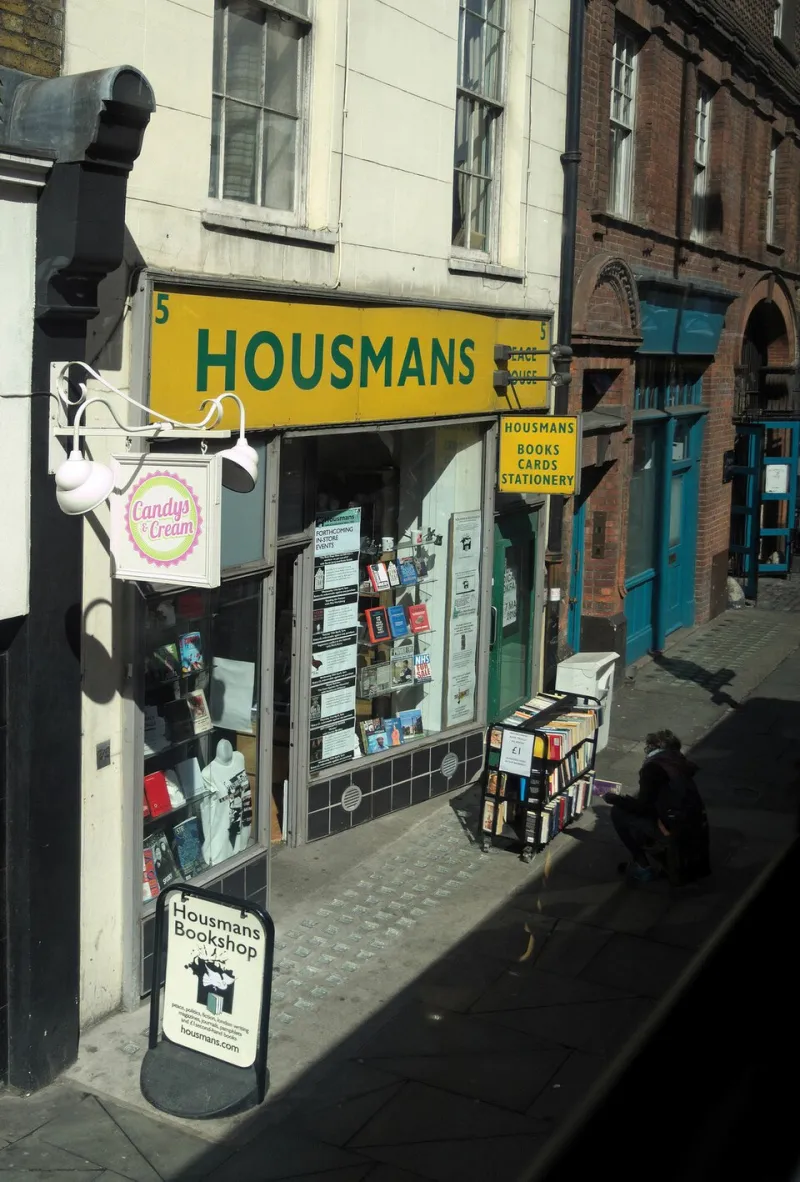
Photo: Jim Osley , CC BY-SA 2.0, via Wikimedia Commons
On a wet November Saturday in Dalston, a small bookshop window tells a very 2026 story. There is a stack of hardbacks with sprayed edges, a hand-written card reading ‘BookTok made me buy it’, and a single lonely copy of a 1980s London novel that the bookseller clearly loves and nobody is buying. It is not a tragedy. It is a weather report from the shop floor.
BookTok has been part of publishing for years now, but something has shifted. It is no longer a curious corner of the internet where readers recommend each other books. It is a merchandising force. From the chains of Piccadilly to the indie shops of Peckham and Brixton, viral reading lists are shaping what gets space on the table, what gets face-out on the shelf, and what gets reserved at the local library. The question is not whether the algorithm has arrived in London’s bookshops. It has. The question is what we do with the shelf space it leaves behind.
From phone screen to front table
Walk into a large bookshop in central London this autumn and you will see the language of TikTok translated into cardboard and paper. ‘As seen on BookTok’ cards. ‘TikTok favourites’ sections. Tables built around tropes rather than genres: enemies-to-lovers, found family, dark academia. For booksellers, this is not surrender. It is listening.
‘We use it as a demand signal,’ one buyer at a north London independent tells me. ‘If three people ask for the same title in a week, and then a fourth asks, we order it. BookTok just makes those asks happen faster and louder.’ That is the practical reality. A viral title can move from a single copy on a backlist shelf to a front-of-shop stack in a fortnight. For publishers, it can revive a midlist novel that was published quietly three years ago. For readers, it can mean finally finding the book that gets them back into reading.
But there is a difference between responding to demand and being led by it. The best London bookshops are using BookTok as one input among many: staff picks, local interest, publisher reps, and the quiet wisdom of what actually sells on a wet Tuesday. The worst are simply renting out their windows to the algorithm.
The waitlist effect
In libraries, the impact is even more visible. A single viral video can send reservations for a title from a handful to several hundred. Library staff in Hackney, Camden and Southwark describe the same pattern: a book that has been on the shelf for months suddenly has a waiting list longer than the queue for a new Sally Rooney. Extra copies are ordered. Budgets are stretched. Displays are rearranged.
This is not automatically bad news. A waiting list is a sign of life. It means people are reading, and it means libraries are still the place where readers go when they want a book without paying hardback prices. The trouble is that library budgets are finite. Every extra copy of a viral bestseller is a copy not bought of something else. And the something else is often the quieter, stranger, more local book that does not have a teenager with a ring light championing it.
Librarians are, by instinct and training, curators rather than trend-chasers. The good ones are using BookTok as a conversation starter, not a procurement policy. They pair viral titles with adjacent reads: if you liked this, try this London author, this translated novel, this non-fiction book about the city you live in. That is the library doing what it has always done — making connections between readers and books that the market alone would not make.
Taste, not a monolith
It is also a mistake to talk about BookTok as if it were one thing. The algorithm contains multitudes. There is romance and fantasy, yes, but there is also literary fiction, translated fiction, memoir, horror, and a thriving corner of readers who are genuinely passionate about quiet novels set in council estates and coastal towns. The London shops that understand this are the ones that use the trend to open doors rather than close them.
In Dalston, one bookseller has a ‘TikTok made me read it’ shelf next to a ‘We made us read it’ shelf — the latter stocked entirely by staff picks. In Brixton, a shop runs a monthly ‘algorithm detox’ table where every title is chosen by a bookseller and none has more than 10,000 views on any platform. It is a playful gesture, but it makes a serious point: physical bookshops still have a role that the feed cannot replicate. They are places of accidental discovery. You cannot scroll past a spine that catches your eye on the way to the till.
The algorithm in the window
So is the algorithm a friend or a foe to London’s reading culture? The honest answer is that it is a tool, and like any tool it depends on who is holding it. Used well, BookTok brings new readers into bookshops and libraries, revives backlist titles, and gives underrepresented authors a route to attention that traditional marketing never offered. Used lazily, it produces a kind of window-dressing monoculture: the same five books in every shop, the same three covers on every table, the same waitlist for the same viral title.
London is a city of readers, but it is also a city of shelves — thousands of them, in shops, libraries, community centres and station concourses. The health of that ecosystem depends on variety. A display table is not just a sales tool. It is an argument about what matters. If the algorithm writes that argument every week, we lose something. If booksellers and librarians use it as one voice among many, we gain a wider conversation.
Next time you see a hand-written ‘BookTok made me buy it’ card in a London window, look at what is next to it. That is where the real story is. The shelf is still a conversation between the algorithm, the bookseller, the librarian and the reader. London reads, together — but only if we keep the conversation interesting.