Paper Trails: The Things Londoners Leave Inside Their Books
There is a particular sound a library book makes when it has been somewhere. Not a dramatic sound — more of a soft rustle near the spine, as though the pages have picked up a second layer of business. Shake it gently over a desk and something falls out. Usually it's nothing. Often it's a receipt.
I spent a few weeks this autumn doing exactly that: shaking out books in a returns trolley, in the back room of a charity shop, and in a second-hand bookshop that smells of dust and lemon polish. It started as idle curiosity and ended as something closer to an obsession. Because the things that fall out of London's books are, collectively, a diary nobody meant to write.
The anatomy of a forgotten marker
Most of what turns up is functional. A Superdrug receipt from 2019. A printout of a rail replacement bus timetable. A Post-it note reading, with real urgency, ring Mum back!!! There are Oyster top-up slips, a Met Office forecast torn from a paper, and a betting slip for a horse whose name I won't repeat in case it's still a sore subject.
But the functional items are the least interesting ones. The good stuff is the accidental stuff — the things that were never meant to be a bookmark and became one anyway.
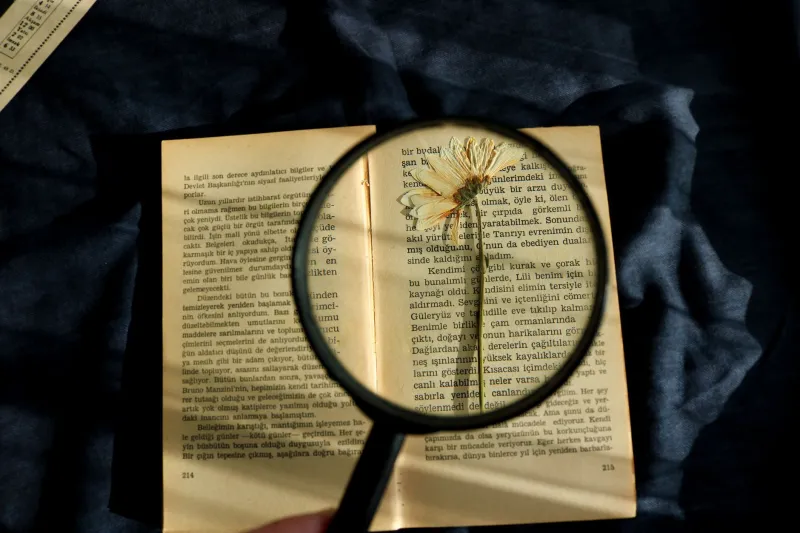
In a paperback picked up on Charing Cross Road, I found a photograph of a grey cat sitting on a radiator, with nothing written on the back. In a hardback returned to a library in the south-east, a pressed hydrangea, still faintly blue, flattened between pages 174 and 175. In a charity-shop copy of a fairly gloomy novel, a child's felt-tip drawing of a dog, captioned in wobbly capitals: THIS IS MY DOG.
None of it is valuable. All of it is specific. That's the trick these objects pull on you.
What a Tesco receipt can tell you
A receipt is a small confession. It tells you what someone was doing at 18:42 on a Thursday: milk, a bag of pasta, and a reduced sandwich they probably regretted. It places a body in a particular shop on a particular road in a particular bit of London — Peckham, say, or Palmers Green, or the retail park off the North Circular that nobody admits to visiting.
A used train ticket does the same job but with more atmosphere. A single from Waterloo to somewhere commuter-belt-ish. A day return to Brighton, unused. A ticket to a gig at a venue that has since changed its name twice.
"People think they're being tidy when they use a receipt as a bookmark," a bookseller in Crystal Palace told me, sorting a box of donations with the weary precision of someone who has found three dead spiders that morning. "They're actually being archivists. They just don't know it."
She keeps a shoebox of the best finds behind the counter. Inside: a boarding pass, a lottery ticket, a hospital appointment card with the date circled twice, and a photograph of a man in a deckchair at Margate. She has never tried to reunite any of them with their owners. "Where would I start?" she said. Fair point.
The collecting instinct
Librarians are more careful about this than booksellers. Where a shop can keep a curiosity, a library has to think about data protection, and about whose phone number is scribbled on the back of a bus ticket. Most branches, I'm told, have a quiet policy: anything that looks like it belongs to someone goes in a lost property drawer, anything that doesn't goes in the bin, and anything genuinely odd gets pinned to a noticeboard for a week to see if anyone claims it.
In 2026, when most of our admin lives in a phone and our reminders arrive as notifications, that drawer is a strange little time capsule. It's a record of the last generation of readers who needed a physical scrap of paper to hold their place — and who then forgot it entirely, because life is like that.
There's a theory doing the rounds among the booksellers I spoke to that the bookmark is now London's most intimate form of graffiti. It's anonymous, it's left in a place someone else will eventually look, and it changes the meaning of what's already there. A novel is a novel. A novel with a stranger's to-do list in it is a conversation.
Not quite vandalism
Let's be clear about where the line sits. Tipping a pressed flower into chapter nine is charming. Underlining passages in pencil is forgivable in a charity-shop paperback and a sacking offence in a library hardback. Writing a phone number on page one of a library's only copy of a book — which, yes, happens — is a small act of vandalism with a very long tail.
Among readers, though, annotation is a live argument. Some people won't buy a second-hand book if it has been written in; others seek them out specifically, wanting to read alongside a stranger's ghost. I'm in the second camp, mostly, though I accept that this is a taste rather than a principle.
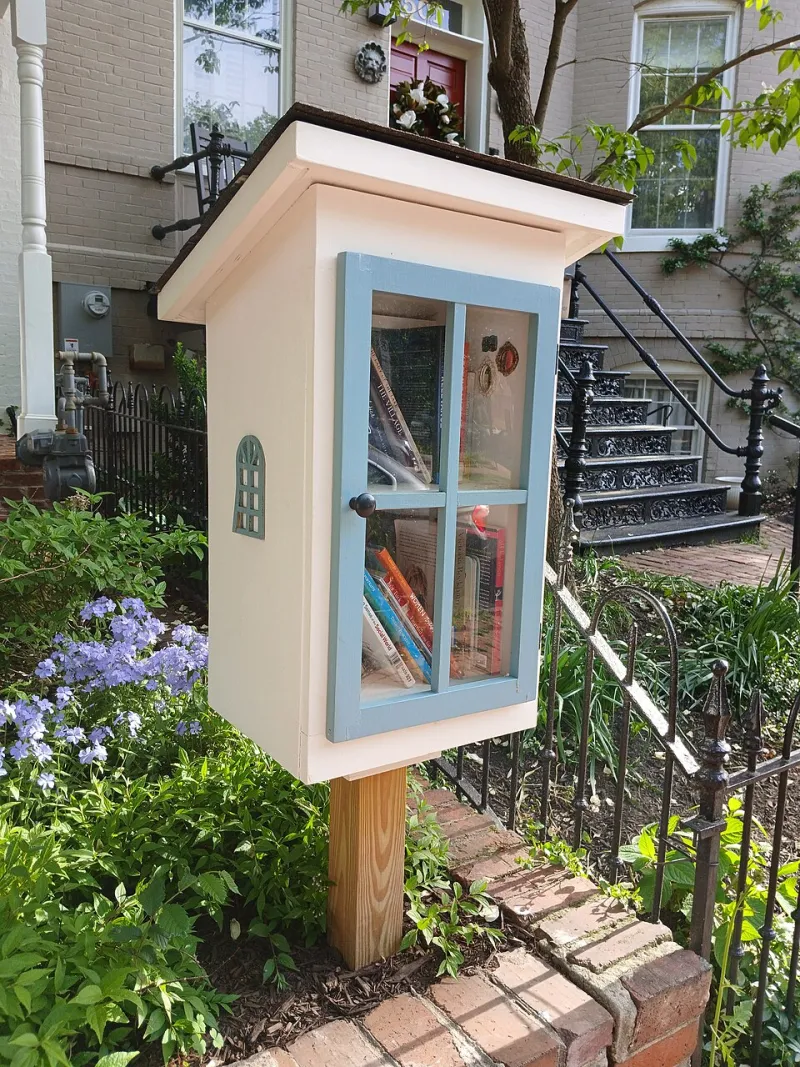
The most affecting finds are the ones that suggest a plan. A bookmark made from a folded sheet of wrapping paper. A coach ticket to a wedding. A printed recipe for a lemon drizzle cake, torn from a magazine, tucked into a novel about a family falling apart. Across the city, in second-hand shops and returns trolleys and those little street-side shelves that appear outside houses in Walthamstow, these small papers are waiting to be found by somebody who will spend four minutes wondering who they were.
That's the appeal, in the end. Not sentiment exactly — something closer to nosiness, or fellow feeling. Every book you pull off a shelf in London has been somewhere with someone. Sometimes it brings a souvenir back.
If you're in the middle of a reading challenge this winter, here's a small suggestion for your next chapter: open the book properly, give it a gentle shake, and see what falls out. Then, if you're feeling decent, put it back. Someone else might want to be nosy after you.