Turn to Page 84 and Bring a Fork: London’s Cookbook Clubs

Photo: Jonathan Powell, CC BY 2.0, via Wikimedia Commons
On a wet Wednesday in a library room in Waltham Forest, the smell arrives before the books do: cumin, brown butter, something catching at the edge of a hot pan. Around a trestle table, twelve people are unpacking Tupperware and library copies of the same cookbook. This is not a supper club with a reading problem. It is a cookbook club, and the text under discussion is page 84.
London’s cookbook clubs have quietly become one of the city’s most sociable reading formats. The idea is simple enough: pick a cookbook, read it properly, cook from it, then meet to eat and talk. But the result is stranger and richer than that summary suggests. When the book on the table is a set of instructions rather than a story, reading becomes physical. You cannot skim a recipe you have to cook. You have to notice what it leaves out.
The Book Is a Menu
Most groups follow a familiar shape. A title is chosen a month ahead. Members borrow, buy or share copies. Each person picks a recipe, cooks it at home and brings it to a shared table. Then the group eats, compares notes and drifts into the kind of close reading usually reserved for novels.
A recipe has a narrator, a point of view and a set of assumptions. It can be bossy – do not stir – or vague – until it looks right. It can be generous – use whatever greens you have – or quietly demanding about equipment, time and confidence. The headnote might tell you about a grandmother, a market, a holiday. The method might tell you far less than you need. Reading closely means asking who the recipe is for, and who it quietly excludes.
That is where the conversation gets good. One member notices that the book assumes a food processor. Another points out that the oven temperature is for a fan oven, or that the timings only work if you have a hob with four rings. Someone else asks why the recipe calls for a specific brand when the whole point is supposed to be improvisation. It is literary criticism with gravy.
Borrowed Copies, Shared Plates
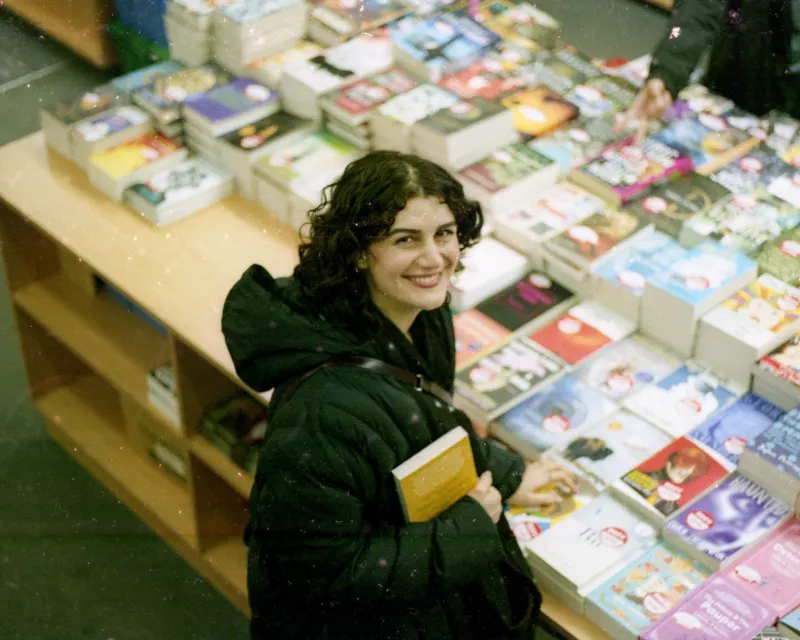
Library groups give the format a particular flavour. Cookery sections in London boroughs such as Lambeth, Hackney and Waltham Forest are being used less as quiet corners for browsing and more as starting points for social reading. A librarian might set aside a display of the chosen book, print a few recipes for people who cannot get a copy in time, and book the room with the wipe-clean tables.
The library copy imposes its own discipline. You cannot scribble in the margin. You cannot splash stock on page 112 and return it with an apology. Members photocopy their recipe, cover it in sticky notes, and bring the book back clean. There is something pleasingly civic about cooking from a book you have to return.
It also changes what people cook. Library groups tend to be careful with cost. You see a lot of lentils, tinned beans, seasonal vegetables and big trays of something that stretches. The reading is just as sharp, but the table is more practical. The question is not only whether the dish works, but whether it works for everyone in the room.
The Bookshop Kitchen
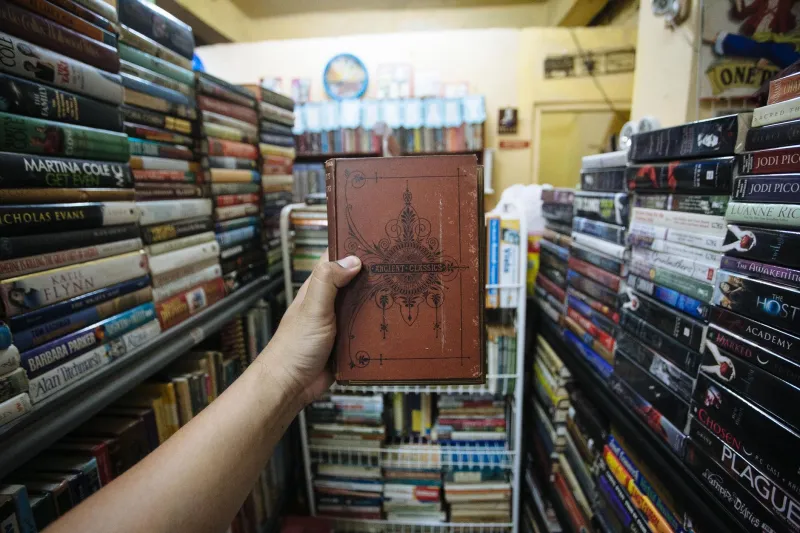
A different version happens in a bookshop kitchen in south London. The group is smaller, the table is closer to the shelves, and the bookseller chooses the title with one eye on the season and the other on what will sell. Here the book is an object as well as a set of instructions. People talk about paper stock, photography, typography and the strange art of the recipe headnote. The discussion drifts from oven temperatures to editing: why this book has an index of ingredients, why that one buries the vegetarian options at the back.
There is also the pleasure of eating in the room where the book is sold. The shop smells of paper and onions. Someone has brought a dish from the page that nobody noticed on first read. The bookseller admits they chose the book for the cover and has been proved wrong by the food. It is the most honest kind of reading event: no stage, no lectern, just a table and a shared text.
Close Reading, Slow Cooking
What makes cookbook clubs more than a nice dinner is the attention they pay to the recipe as a form. A good cookbook is not just a list of ingredients. It is a voice, a set of habits, a particular way of seeing the kitchen. Some writers are chatty and reassuring. Some are severe. Some assume you already know how to brown butter, fold pastry or judge a simmer by sound. The group learns to hear those voices and to spot the silences.
In 2026, that feels especially useful. London kitchens are full of screens, delivery apps and recipes saved to a folder and never opened. A cookbook club slows all that down. It makes reading social and eating thoughtful. It also makes a library or bookshop feel less like a place you visit quietly and more like a room where something happens.
The Rules Are Light
The best groups keep the rules simple. Cook if you can; bring something bought if you cannot. Label allergens. Share the cost of the room or the books. Do not score the dishes. Do not aim for the photograph. The point is not perfection. The point is to read the recipe, cook the thing, and find out what happened.
That lightness matters. People come with different budgets, different kitchens, different levels of confidence. A cookbook club works when nobody is auditioning. The table is a reading group with plates. The book is the prompt. The meal is the discussion.
If you want to join one, start with your local library noticeboard or ask a bookseller whether they host a group. If there is nothing nearby, start a small one yourself: one book, one table, one dish each. You do not need a manifesto. You need a recipe you are curious about and a few people willing to turn to page 84 and bring a fork.