The Quiet Carriage: How Silent Reading Nights Became London’s Most Sought-After Night Out

Photo: 2000 DNC, Public domain, via Wikimedia Commons
On a Friday evening in 2026, in a back room of a Hackney pub, forty adults are sitting in near-silence. Some are on pints. Some are on herbal tea. All of them are reading. There is no stage, no microphone, no author being interviewed about their creative process. At around eight o’clock someone rings a small bell, everyone looks up, and the room dissolves into the kind of gentle, slightly surprised conversation you get when a group of strangers have just shared something quietly intense.
This is a silent reading night. And it is, improbably, one of the most popular literary nights out in London right now.
The rise of the quiet literary night out
Silent reading clubs are not new. They have existed in various forms for years, and the idea is simple: people bring a book, sit together, read for an hour or so, and then talk if they want to. What has changed is the appetite. In 2026, London’s silent reading scene has grown from a niche curiosity into a proper social habit — a low-pressure alternative to the traditional author event, the book launch and the festival panel.
You can find them in library reading rooms, pub back rooms, bookshop late-night sessions, community halls and the kind of cafés that stay open after the coffee machine has been cleaned. Some are organised by libraries. Some are run by bookshops. Some are just a group of friends who put a notice online and hope for the best. The format is flexible, the etiquette is gentle, and the price is usually the cost of a drink or nothing at all.
Where to find a quiet room in London
There is no single directory, which is part of the charm. Start with your local library — many now run evening reading sessions or silent book clubs as part of their adult programming. Ask at the desk. Look at the noticeboard. The library is still the best-kept secret in London’s literary life, and library staff are usually delighted to tell you what is happening in the building after hours.
Independent bookshops are the second great source. Several London bookshops now host silent reading evenings alongside their author events, sometimes on a weekday evening when the shop is technically closed. The atmosphere is lovely: shelves, lamps, a few folding chairs, and the occasional rustle of a page. Pub back rooms are the third. A silent reading night in a pub is not as contradictory as it sounds. The point is not absolute silence — it is companionable quiet. The clink of glasses is part of the soundtrack.
The etiquette is simpler than you think
Silent reading etiquette is mostly common sense, but here is the short version. Arrive on time-ish. Bring a book. Put your phone on silent, face down, or in your bag. Read quietly. Do not narrate your reading experience to the person next to you. If you need to leave early, leave quietly. If there is a social half-hour at the start or end, use it or do not — both are acceptable.
The golden rule is that you are sharing a room, not a conversation. You do not need to have read the same book as anyone else. You do not need to finish your chapter. You do not need to explain what you are reading. The silence is the point, but so is the company. It is a rare kind of social event where being unsociable is part of the social contract.
Why book lovers are choosing quiet over panels
There are practical reasons. Author events are lovely, but they can be expensive, crowded and slightly performative. You buy a ticket, you queue, you listen, you buy the book, you get it signed, you go home. Silent reading is cheaper, slower and more repeatable. It fits around work. It does not require you to have an opinion ready. It does not ask you to laugh at the right moment.
There is also the digital fatigue argument. We spend all day responding to messages, notifications and the general noise of being online. A room where everyone has deliberately put their phone away is a small, restorative rebellion. Reading in public with other people makes it easier to concentrate; the shared attention is contagious. For people who find traditional literary socialising exhausting — introverts, neurodivergent readers, anyone who has ever stood awkwardly at a book launch holding a warm white wine — the silent reading night is a gift.
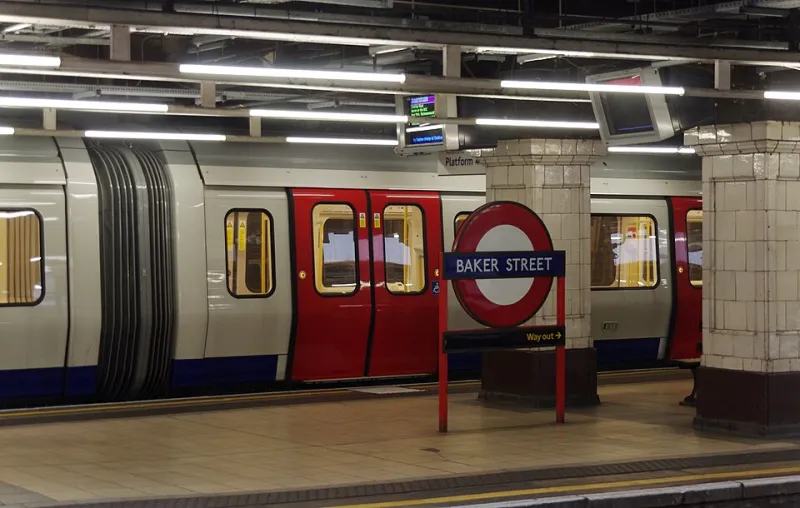
And there is something quietly moving about it. A room full of people reading is not a room full of people isolating. It is a room full of people choosing to be alone together, in the way that Londoners do best. It is the reading equivalent of a quiet carriage: everyone going in the same direction, each in their own world.
A night out for the bookish, not the performative
What I like most about the silent reading scene is that it is not trying to be a scene. There is no cool list, no obvious hierarchy, no pressure to have read the right thing. You can bring a thriller, a romance, a biography, a battered paperback you found on the street. You can bring a Kindle if you must. Nobody will judge you. The only thing anyone really notices is whether you are reading.
In a city that often feels designed for maximum noise, the silent reading night is a modest, human-scale pleasure. It is not going to replace the bookshop event or the festival panel, and it should not try. But it is a welcome addition to London’s literary calendar: proof that a night out does not have to be loud to be memorable.
How to start one in your own corner of London
If there is not a silent reading night near you, start one. Pick a pub back room or a library meeting space. Choose a weekday evening. Put up a few notices and post in a local group. Explain the format in three lines: bring a book, read for an hour, chat afterwards if you like. Bring a bell or a timer. Do not over-plan it. The whole point is to leave room for quiet.
London is full of rooms that are not being used for reading. Some of them have pints. Some of them have shelves. Some of them have both. All they need is a few people with books and the willingness to sit still together. In 2026, that might be the most radical literary night out of all.