The Card in Your Pocket: A 2026 Audit of London Library Perks You Probably Haven’t Claimed
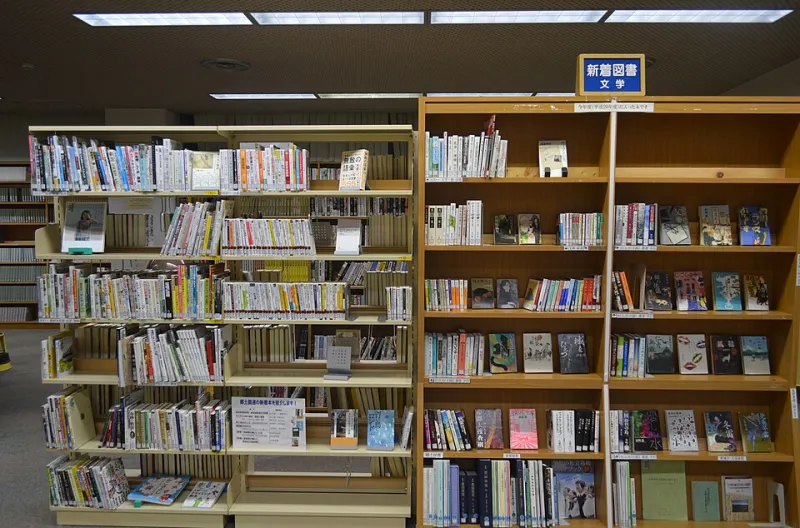
Photo: Unknown, CC BY 4.0, via Wikimedia Commons
Most people treat a London library card like a spare key: useful when you need it, forgotten the rest of the time. You join, you borrow a few books, you return them late, you pay a small fine and then the card lives in a drawer. That is a waste. In 2026, the card is less a key to a building and more a key to a scattered digital and local service — one that most borrowers never fully claim.
I spent a week asking librarians and library users which extras go unnoticed. The answer was consistent: almost all of them. People know about e-books, vaguely. They do not know about the magazines, the courses, the archive access or the fact that their borough may let them book a quiet room for an afternoon. The exact menu varies by borough, but the pattern is the same across London: the card does more than most people ask it to.
First, the card itself
Joining is usually straightforward. You can apply online through your borough’s library service or walk into a branch. You will normally need proof of address and some form of ID, though the rules vary. Many boroughs offer an instant digital membership that lets you start using online resources before you visit in person. If you are not a resident, ask about reference access, reciprocal arrangements or digital-only membership; not every borough offers the same thing, but it is always worth asking.
Once you have a card, note two things: your membership number and your PIN. Most digital services will ask for both. Then find the page on your borough’s library website usually labelled something like Digital Library, Online Resources or eLibrary. That is where the unclaimed stuff lives.
The digital shelf you cannot see
E-books and audiobooks are the best-known extras, but they are still underused. Most London boroughs offer at least one of the big lending apps, such as Libby or BorrowBox. Some offer both. The catalogues differ, so it is worth checking which service your borough uses before you download anything. Audiobooks are particularly useful for commuters, and the app usually returns the title automatically when the loan ends — no late fees, no guilt.
Digital magazines and newspapers are the quieter win. A number of boroughs provide access to magazine and newspaper services that would cost a monthly subscription elsewhere. You can read on a phone or laptop, often without leaving the house. The range varies, but if you have ever clicked away from a paywall and sighed, this is the perk to check first.
Courses, archives and quiet rooms
Online courses are another category that tends to stay hidden. Some boroughs offer access to learning platforms covering everything from Excel to creative writing. The quality and depth vary, and not every library service advertises them loudly. Ask at the desk or search your borough’s online resources page for the word courses.
Then there is the local archive. This is the perk that surprises people most. Many borough library services hold local studies collections, old newspapers, maps, photographs and family history material. Some offer free access to genealogy databases from library computers. If you have ever wondered about the history of your street, your building or your family, your library card may be the cheapest way in.
Study rooms and meeting spaces are the practical extra. A growing number of libraries let you book a desk, a small room or a quiet space for a few hours. It is not universal, and the rules differ, but for freelancers, students and anyone who needs a calm hour away from the kitchen table, it is worth asking what can be reserved.
Borough-by-borough: where the best underused extras tend to hide
London’s library services are not one system. They are thirty-three separate borough services, plus specialist libraries, and the differences are real. The following is not a league table — listings change, and every borough has its own limits — but it is a guide to what to ask for.
- Camden: ask about digital magazine and newspaper access, local history material and bookable study space in the larger libraries. The borough also tends to have a strong events programme, so check whether reading groups have waiting lists.
- Hackney: look for e-book and audiobook apps, homework support and digital resources for families. Branch staff are a good source for the less-publicised stuff.
- Southwark: local studies and archive access are worth exploring, along with room booking at larger libraries. If you are researching a building or a street, start here.
- Richmond: check the digital audiobook offer, online learning resources and home library service. The borough’s library pages are usually clear about what needs a card and what needs a visit.
- Bromley: digital magazines, reading groups and local studies are the ones to ask about. The same goes for any borough with a strong local history collection.
- Hounslow: look for online courses, e-newspapers and family learning resources. If you are not sure where to start, ask for the digital induction rather than trying to guess.
The broader point is that the best perk in your borough may not be the one advertised on the homepage. It might be a database, a room, a course or a local archive. Ask a librarian what people forget to use. They will usually tell you.
How to sign up and actually use it
Start with your borough’s library website and search for joining. If you cannot find the online form, phone or visit a branch. Bring ID and proof of address. Once you are a member, set up your PIN and log in to the digital library page.
Then do three things. First, download the e-lending app your borough uses and borrow one audiobook or e-book. Second, check the online resources list for magazines, newspapers or courses. Third, ask at the desk about archives, study rooms and any borough-specific extras. Put a reminder in your phone for the first of each month to check new titles and expiry dates.
A library card is not just a borrowing account. It is a subscription to a lot of small, useful things that most people never open. In 2026, with everything costing more, that is worth a look in the drawer.